- Suresh Kumar
- 24-10-2025
- 0 Comments
From Kalapani to Freedom: Andaman and Nicobar History Explained
The Andaman and Nicobar Islands, one of the most beautiful places in India are famous for their white sand beaches and clear blue water but these islands are not just about nature. They also have a very important place in India’s history. If you are planning to explore India’s past and enjoy the beauty of nature at the same time a good travel agency can be your perfect guide. In this article we will explore the Andaman and Nicobar history from the dark days of Kalapani to the joy of freedom.
Early History of the Andaman and Nicobar Islands
- The history of Andaman and Nicobar Islands begins with the people who lived there for thousands of years. They lived far from mainland India and were mostly unknown to the outside world. Over time explorers and traders from different countries came to these islands. They were attracted by the location and natural resources.
- Later during the colonial period the British came and saw the islands as a strategic place and they wanted to use it as a prison for freedom fighters and criminals. This is how the dark chapter of Kalapani began.
Cellular Jail and Kalapani
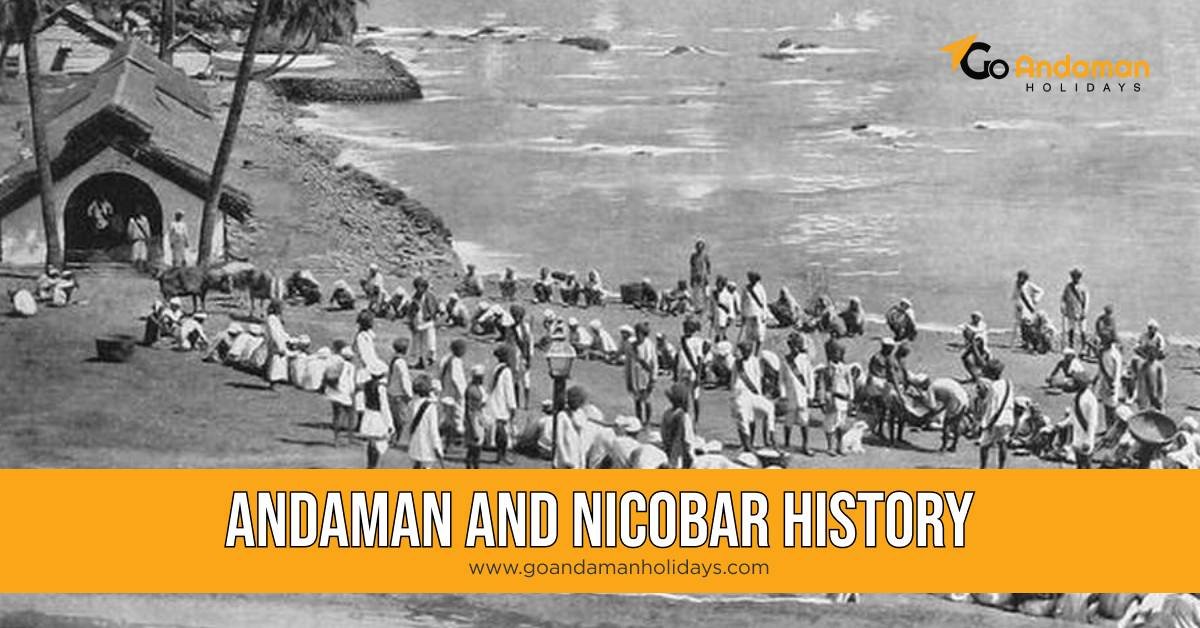
- The Cellular Jail is one of the most important landmarks in the history of Andaman and Nicobar Islands and it was built by the British in 1906 in Port Blair. The jail was designed to keep political prisoners away from mainland India. They were kept in small isolated cells and faced very harsh conditions.
- The term Kala Pani became famous because it was used to describe this place. Kala Pani means black water. It was called black water because prisoners were sent far away across the sea and cut off from their families and society. Many freedom fighters who fought for the Indian independence were sent to the Cellular Jail.
- Visiting the Cellular Jail today is a powerful experience as you can see the cells and hear the stories of brave people and watch the light and sound show that explains the struggle for freedom. A travel agent arranges guided tours that help you understand the real pain and courage of those times.
Life in the Cellular Jail
- Life in the Cellular Jail was extremely hard. Prisoners had to work for long hours under the Sun and they were given very little food and faced torture. Despite this they never gave up hope. They wrote letters poems and even tried to escape. The stories of these brave souls are an important part of the history of Andaman and Nicobar Islands.
- The British wanted to break the spirit of the prisoners but the freedom fighters’ determination could not be broken. Many of them sacrificed their lives to fight for India’s independence. Today their bravery is remembered by all Indians and makes the islands a place of respect and remembrance.
Role of Andaman in India’s Freedom Movement
- The history of Andaman and Nicobar islands is closely linked with the Indian freedom struggle with many famous freedom fighters like Batukeshwar Dutt who were imprisoned in the Cellular Jail. They inspired other Indians to continue the fight against British rule.
- Even though the islands were far from the mainland their role was very important. The news and stories from Andaman reached India and motivated people. After years of struggle India finally got freedom on 15 August independence day in 1947. For many people visiting Andaman it is a moment of reflection and respect for those who gave everything for the country.
Post Independence Andaman and Nicobar
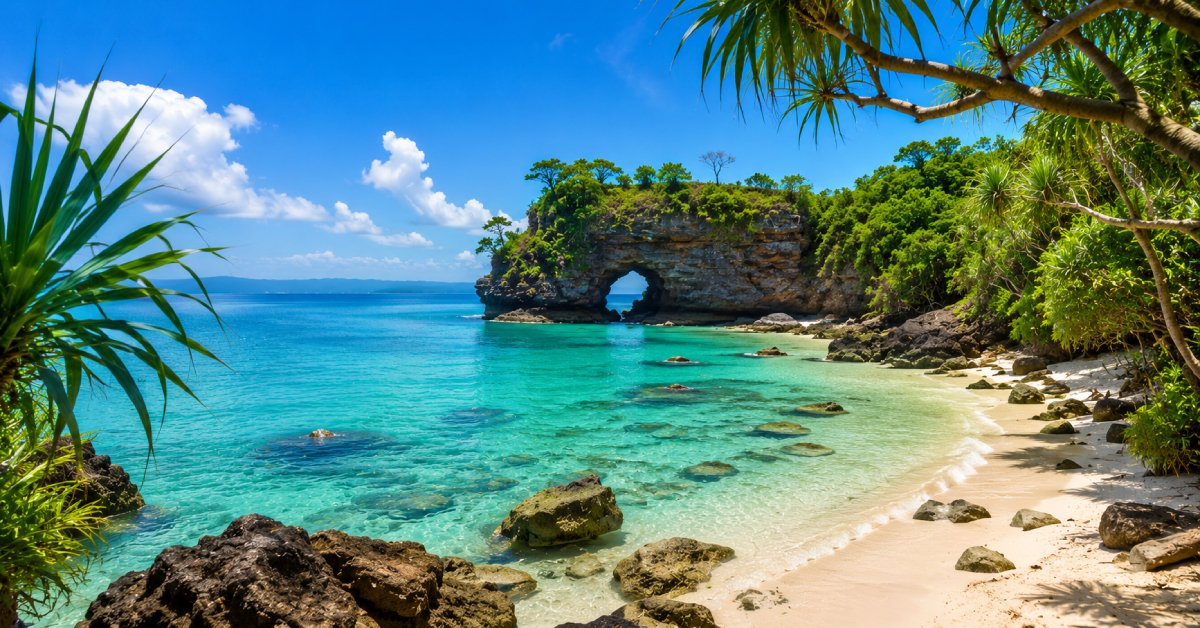
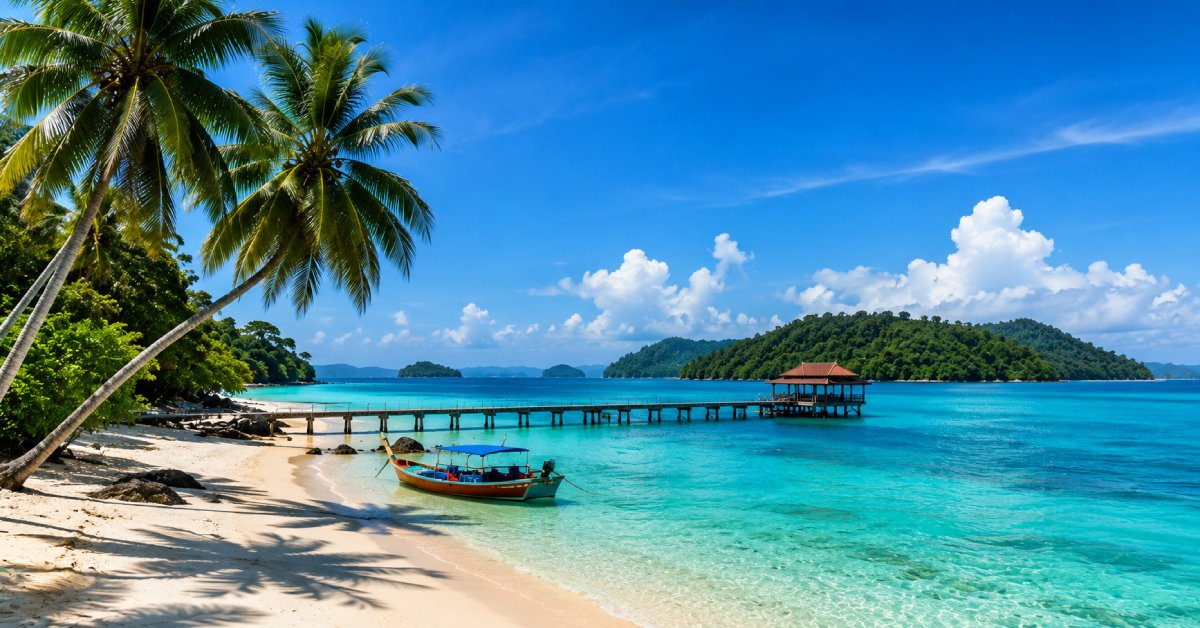
- After independence the islands became part of India and the government started to develop them. Now they are not only remembered for Kalapani but also for their natural scenery as the forests and coral reefs and beaches welcome tourists from the entire globe.
- Local guides assist tourists in visiting both sides of the islands. You can know about the dark history and explore historical places such as Cellular Jail while at the same time you can indulge in water sports and sunbathing on the beaches. This combination of history and nature makes the islands unique.
Must Visit Historical Places
When you visit Andaman and Nicobar Islands with you can explore several historical places apart from the Cellular Jail:
- Ross Island – Once the administrative headquarters of the British it has ruins that tell stories of the colonial period. It is now called Netaji Subhash Chandra Bose Island to honour Netaji’s visit and contributions to the Indian freedom struggle.
- Viper Island – Another old prison where some freedom fighters were kept.
Learning from the Past
- Visiting these islands is not just about seeing new places. It is about understanding the struggles of people and respecting their courage. Every brick of Cellular Jail tells a story of someone who fought for India’s freedom.
- When you travel with a good travel agency you get guides who share these stories in a simple and engaging way so that you can feel connected to the history and enjoy a meaningful travel experience.
Freedom and Celebration
15 August independence day is celebrated with pride all over India including Andaman and Nicobar Islands. On this day people remember the freedom fighters and celebrate the victory over colonial rule and the Cellular Jail hosts special events and flag hoisting ceremonies.
Why Visit Andaman and Nicobar
- Andaman and Nicobar Islands provide an ideal combination of history and nature. You can step into the past by exploring historical places and then unwind on the pristine beaches. You can snorkel and view the marine life and simultaneously learn about the history of the islands.
- A travel company simplifies planning your visit. They have packages that include historical tours and adventure activities as well as comfortable accommodation. They take care of your transportation and local guides. You don't need to worry about anything but the experience.
FAQs
1.What is Cellular Jail?
Cellular Jail is a historic prison built by the British in 1906 in Port Blair. Many freedom fighters were kept here.
2.What does Kala Pani mean?
Kala Pani means black water. It was called this because prisoners were sent across the sea and cut off from families.
3.Does a travel agency provide guided tours?
Yes. They provide guided tours that explain history and also arrange nature and adventure activities.
4.What are some of the other historical places in Andaman apart from Cellular Jail?
Ross Island and Viper Island are the two sites of great historical significance.
5.Why is Ross Island famous?
Ross Island has many old buildings from the colonial period which are a major tourist attraction.
Conclusion
The history of Andaman and Nicobar islands is both inspiring and heart touching. From the dark days of Kalapani to the freedom celebrated on 15 August independence day the islands have witnessed a journey of courage and sacrifice. A visit to these islands makes you realize the beauty of freedom.
Local guides can assist you in visiting the islands in an easy and pleasant manner. You can view the Cellular Jail experience the historical points and enjoy nature simultaneously. The islands are not a tourist destination, they are where history and beauty unite. So if you want to experience the story of India’s freedom and relax in a beautiful place plan your trip to Andaman and Nicobar Islands today.