- Suresh Kumar
- 17-12-2025
- 0 Comments
A Complete Travel Guide to Mount Harriet National Park, Andaman Islands
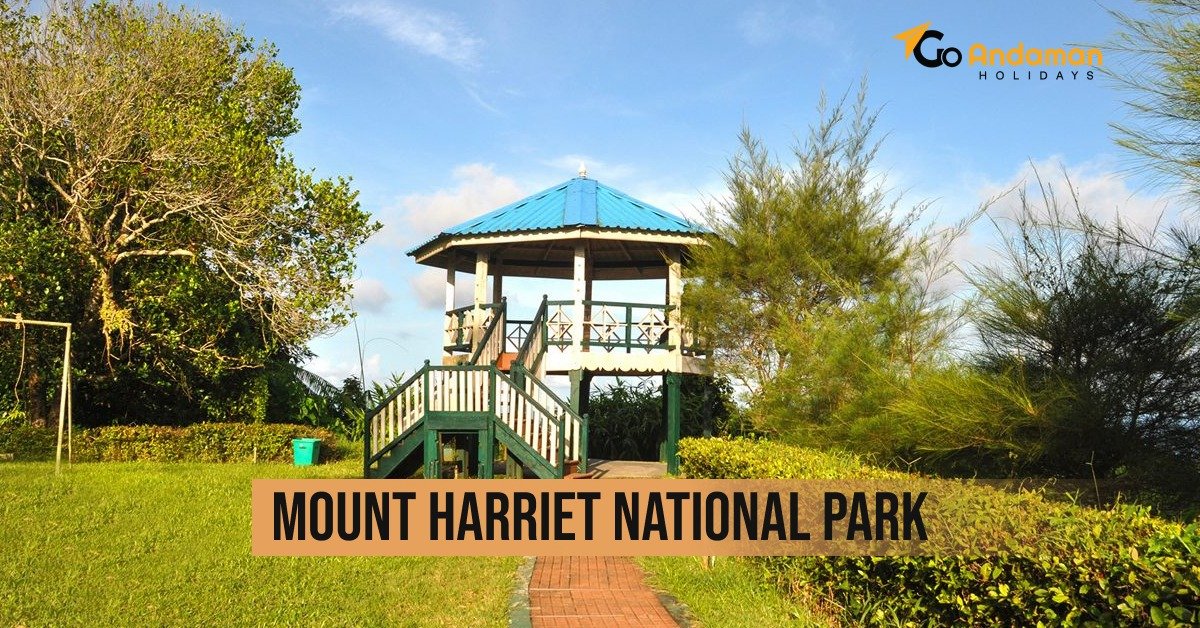
Mount Harriet National Park is the heart of the Andamans. Once called Mount Harriet National Park, one of South Andaman’s top hills.
This safeguarded spot gives you exciting hikes along with jaw-dropping views, deep roots in local past, also a wild mix of native animals found nowhere else.
Sitting tall among the southern Andaman’s highest points, it serves wild trails, jaw-dropping lookouts, deep-rooted stories, along with rare animals you won’t see anywhere else.
This complete guide is like a tool kit, having everything that you might need—from the best time to move and the way to explore the town to the activities you can't miss and the story behind its important name change.
Historical Significance: A Walk Through Time
The mountain’s past jobs give your trip an extra spark.
The British Summer Headquarters
Back in the British Raj days, Mount Harriet served as a summer base for the Chief Commissioner - its higher ground brought cooler air. Because of this chill vibe, it was a break from Port Blair’s intense heat. That link to colonial times still shapes how people see the place today.
The Renaming of Mount Manipur National Park
The name change in 2021 quietly recognized Manipur’s royal family and rebels, like King Kulachandra Dhwaj Singh, who got locked up here following the 1891 clash with British forces.
The Essential Visitor Guide: Location & Logistics
Finding your way around comes first if you want a stress-free trip up the mountains. Check out what’s listed below - it’ll make organizing your journey much easier.
Renaming & Location: Mount Manipur
Besides this, the park sits farther south than the Andaman area, just a short distance from Port Blair. Before, it used to be ‘Mount Harriet’. In 2021 it got changed and became Mount Manipur National Park.
Best Time to Visit
Grab your spot with the Andaman family tour packages and head straight to the beautiful archipelago of history!
Peak Season (Ideal): October to March
This is the finest trio of months. Temperatures sit between 20–28°C through daylight hours, making days fresh rather than hot. Since skies stay cloudless, sightlines stretch far, great for photos or just soaking in high-altitude vistas.
When to go? April to May. Yes, it may be hot during that time but at least it won’t be crowded. But don’t go during June to September, the rain will make it impossible to go outside.
The rainfalls are heavy and the trails become very slippery. Besides, there is always the risk of landslides and all this together limits the outdoor activities.
Timings and Entry Fees (Approximate)
You should be locally checking the prices as they may be changed at any time.
|
Visitor Type |
Entry Fee (Approx.) |
|
Indian Residents (Adults) |
25 |
|
Foreign Nationals |
250 |
|
Camera Charge |
50 |
The recommended operating hours are generally from 7:00 AM to 5:00 PM thus making it possible to go for a trek and sightseeing before the sunset.
How to Reach Mount Harriet National Park
Mount Harriet National Park is located less than 15 km from Port Blair if you take the scenic road.
The Classic Route (Ferry & Drive)
This is the way that most people use to get to the park. It is also the most fun and the travel itself becomes a wonderful part of the day.
Step 1: Port Blair to Bambooflat Jetty
Get a taxi to Chatham Wharf in Port Blair and from there take a ferry (or a vehicle ferry) to Bambooflat Jetty. The journey is very short, only about 15–20 minutes and is quite pleasant with the views of the sea.
Step 2: Bambooflat to Mount Manipur
Next, from Bambooflat, you can either privately hire a taxi for the last 15 km of the road up the forested mountain to the entry point of the park or engage a cab.
All-Road Route
You can skip the ferry and just take a cab all the way but the road is a little more than 50 km and is less travelled and less scenic than the ferry route.
Tour Packages
If you are a person who values ease of use, then you can consider the option of any of the numerous local Port Blair tour operators who provide all-inclusive one-day trip packages that take care of your transportation, permit and guide needs, thus giving you the most convenient and stress-free experience.
Must-Do Activities and Viewing Points at Mount Harriet National Park
Mount Harriet National Park is not just a place where you can pass by quickly. You will find so many activities there that it is a perfect place to spend at least half a day.
The INR 20 Note Viewpoint
This is definitely the most talked-about place in the park. So, go to the main viewpoint where you will get the stunning view of the Lighthouse on North Bay Island and the historic Ross Island.
The scenic viewpoints and quiet forest surroundings also make this spot popular among couples, and it is often added as a nature escape in customized Andaman Honeymoon Packages.
Trekking and Nature Trails
If you love adventure, plenty of paths cut through the park each one kept in good shape.
The Mount Harriet to Madhuban trail (16 km) is fairly tough but worth it. This path is the main hike in the park. It usually lasts about four to five hours: snaking through dense forest, then hopping a tiny river right before hitting a wide meadow.
Some quick trails wait nearby. Try one instead of the full 16 km hike if that feels like too far. Each path has clear signs, so you won't get lost while unwinding outdoors.
Picnics & Relaxation
Near the top, there’s a few tiny camps looked after by rangers also watchtowers and simple huts. Bring your own food rather than buy it, then just hang out beneath the calm trees. This spot works well for groups wanting peace, swapping busy shorelines for green stillness.
Mount Harriet National Park: A Haven for Biodiversity
Mount Harriet National Park is a safeguarded spot, seen as key for nature, recognized by BirdLife International because it's vital for birds.
Birdwatcher’s Paradise
The park's variety of animals grabs attention from bird lovers and outdoor folks.
Watch closely, you might see 11 special birds that live nowhere else: catch a glimpse of the bold Andaman Wood Pigeon, known as the local state symbol, the smooth-moving Andaman Drongo, or tiny colorful parakeets hopping around.
For top views, head out early when the morning air turns calm and crisp right after daybreak.
Unique Wildlife
Though spotting big creatures isn't always easy, these woods shelter: Mammals include the rare Andaman Wild Pig, some kinds of shrews, also several bat species found only here.
Watch for monitor lizards, along with cobras such as King and Andaman types. Nearby spots serve as key nesting sites for Green Sea and Olive Ridley Turtles.
Dense Flora
The park hosts more than 393 types of plants think dense tropical evergreens mixed with semi-evergreens. Thanks to that rich, layered treetop cover, temperatures stay low while life thrives below.
Frequently Asked Questions (FAQs)
Q1. What is the new name of Mount Harriet National Park?
The new name of Mount Harriet National Park is Mount Manipur National Park.
Q2. How do I go to Mount Harriet?
Get to Mount Harriet by ferry from Chatham Wharf in Port Blair. Head over to Bambooflat Jetty first thing. Once there, hop into a cab instead of walking. The ride drops you near the park gate.
Q3. What animals are in Mount Harriet National Park?
Mount Harriet National Park has native creatures such as the Andaman Wild Pig plus the Andaman Wood Pigeon, while also home to different reptiles, small insect-eaters, alongside big lizards known as monitors.
Q4. What time does Mount Harriet open?
Mount Harriet usually opens around 7 a.m., so it’s best to arrive early. The site stays open till about 5 p.m., giving you plenty of daylight to explore.
Q5. Where is Mount Harriet National Park located?
Mount Harriet National Park sits in the South Andaman area, close to Port Blair, part of the Andaman archipelago.
Conclusion
Mount Harriet National Park is the ideal opposite of a typical beach vacation in the Andaman.
Imagine you were standing on a green mountain top covered with trees and the fresh smell of tropical leaves taking over the whole forest, while the Andaman Sea of deep blue color looks like a scattered necklace of islands from where it meets the land.
The picture is so perfect and so famous that it is one of the side prints of the Indian currency 20 note.
It gives a totally different experience of the islands' dense tropical forest, being at the viewpoint which is featured on the national currency, and feeling connected with a very interesting piece of Indian history.
Learn More: How to Make Successful Traveling Plans