- Suresh Kumar
- 17-12-2025
- 0 Comments
Top Things to Explore at the Anthropological Museum in Port Blair
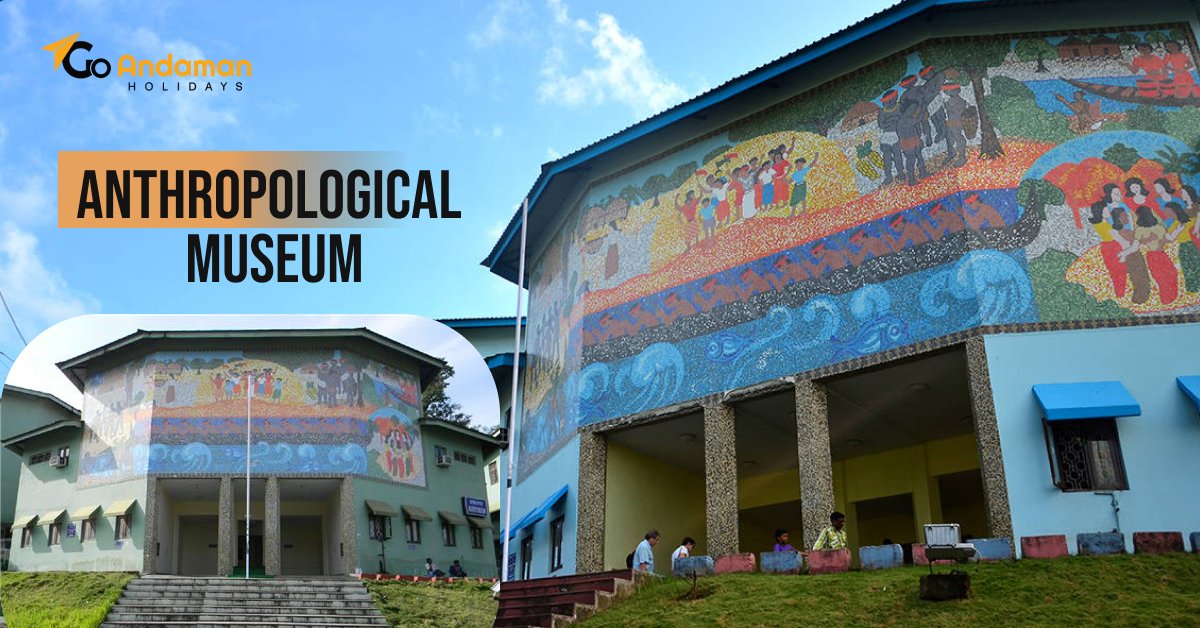
The Anthropological Museum in Port Blair, founded in 1975, is a small but deeply meaningful museum that is a temple of history that which is important for the whole world to know.
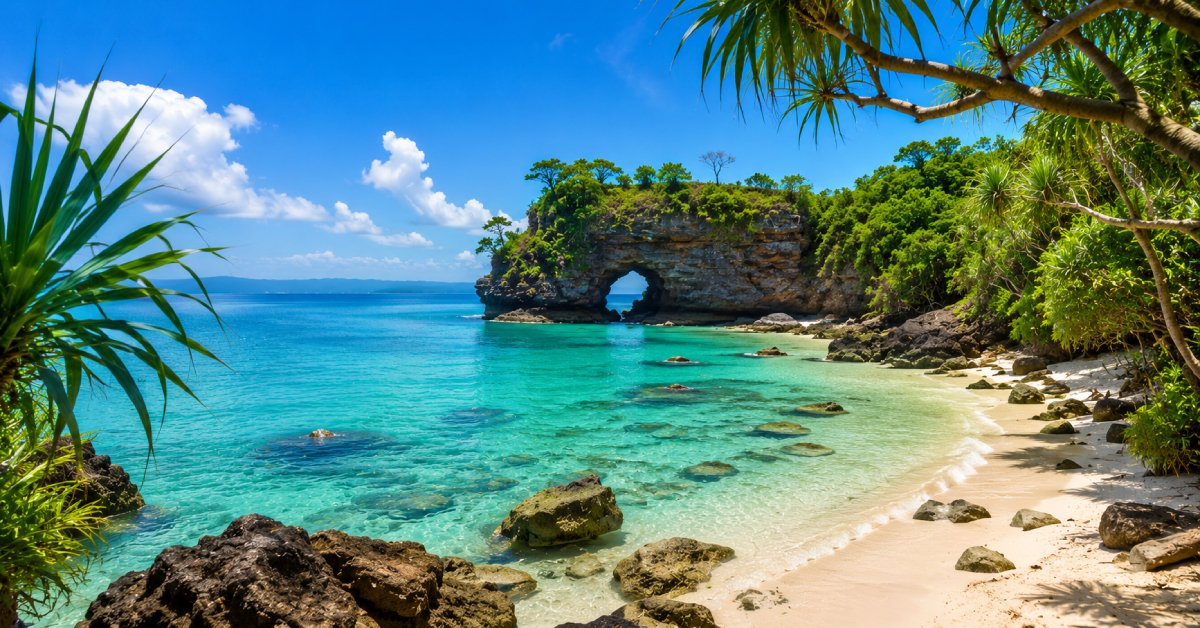
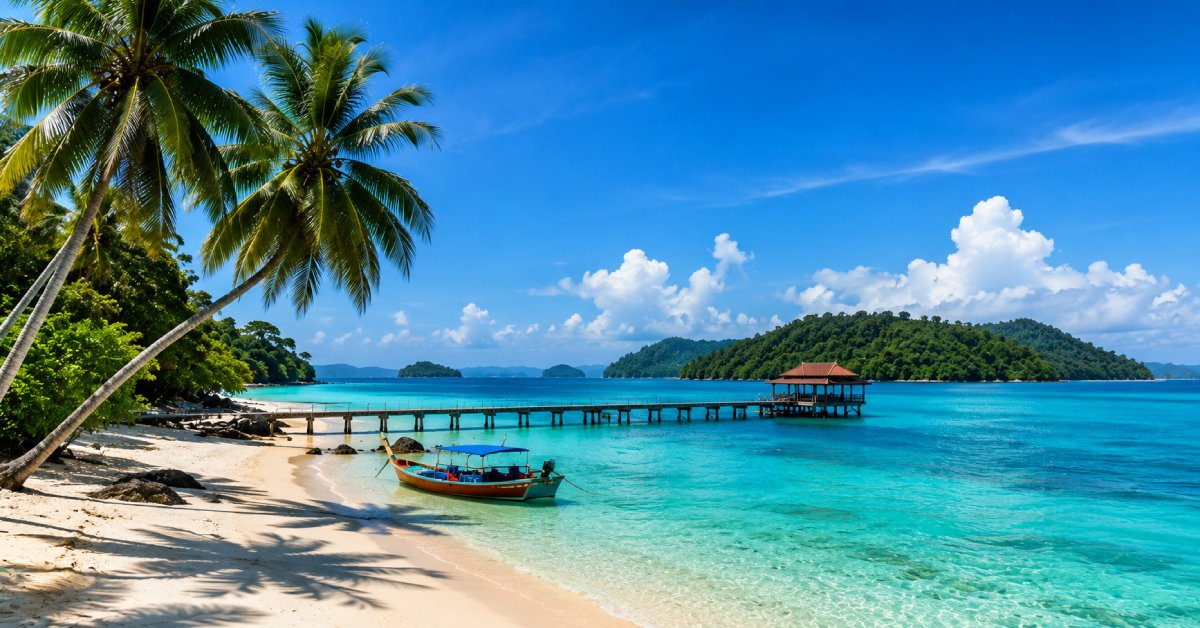
The Andaman Islands. Picture this peaceful place may be you see sunlit waves glowing like gemstones, soft yellow shores stretching far, yet shady palms swaying slowly in the breeze. Sure, that’s real enough; still, there's more beneath; the history here runs deep.
If you are a traveller who is only satisfied with cultural richness, this cultural point is a "must" for the visit. This time around, let’s check out five key spots each one worth seeing if you’re keen on diving into the heart of this rich culture.
Paleolithic Heritage of Andaman in Anthropological Museum
Meeting the Andaman's Six Tribes
Before engaging with the artifacts in the Anthropological Museum, knowing the distinct people whose lives are depicted is paramount.
The museum acts as a look through the glass, a respectful insight into the lives of these aboriginals, out of which a good number live in a very tightly controlled or even hostile isolation from the rest of the world.
The museum divides the tribes into two broad categories:
The Negrito Groups (Andaman Islands)
The Jarawas, the Sentinelese (a world-over-known extremely isolated community), the Great Andamanese, and the Onges are the groups to be considered under this umbrella.
These groups are thought to have been separated from other human populations for a time period that runs into tens of thousands of years.
The Mongoloid Groups (Nicobar Islands)
The Nicobarese and the Shompens are the ones. Most of these tribes are off-limits to direct contact as a measure of protection, so the museum becomes the only significant teaching resource to get acquainted with their lifestyle, spoken languages, and their strength of character.
Tribal Treasures: Essential Artifacts in Anthropological Museum
The Anthropological Museum is truly a treasure hunt for those with a passion for history. The display of the everyday and the ceremonial hardly reveals the centuries-long development of the multiple use of the natural world, the magnificence and the artistry of the tribes.
Make sure you don’t miss seeing these specific, iconic exhibits:
Jarawa Chest Guard
To many, it is the piece of the muse that can be singled out the most.
The old and elaborately designed wooden chest guard, typically demonstrating geometric patterns drawn with ochre and clay, is a vivid example of the protective yet decorative tribal designs of the jungle life, which were simple but of great effectiveness.
Faith Sculptures
Nicobarese spiritual beliefs as well as a strong bond with totemic spirits and the island environment, are emphasized in these pieces. Concentrate on the incredible wooden figures and ritualistic art, which, according to the text, "was created by the Nicobarese" for use in their "faith".
Old Tools and Weapons
Get a great understanding of the tribe with the help of a fascinating display of hunting and fishing gear, among them are large bows, arrows made for a specific purpose, and fishing spears, which all demonstrate their survival skills in the forest and the sea.
Pottery and Handicrafts
Watch the transforming power of simple items into art like leaf baskets, traditional clothing, and elaborate ornaments made of shells, bones, and plant fibres, which bring out the locals' artistic sophistication.
Stepping Inside the Hut: Life-Size Models of Tribal Dwellings
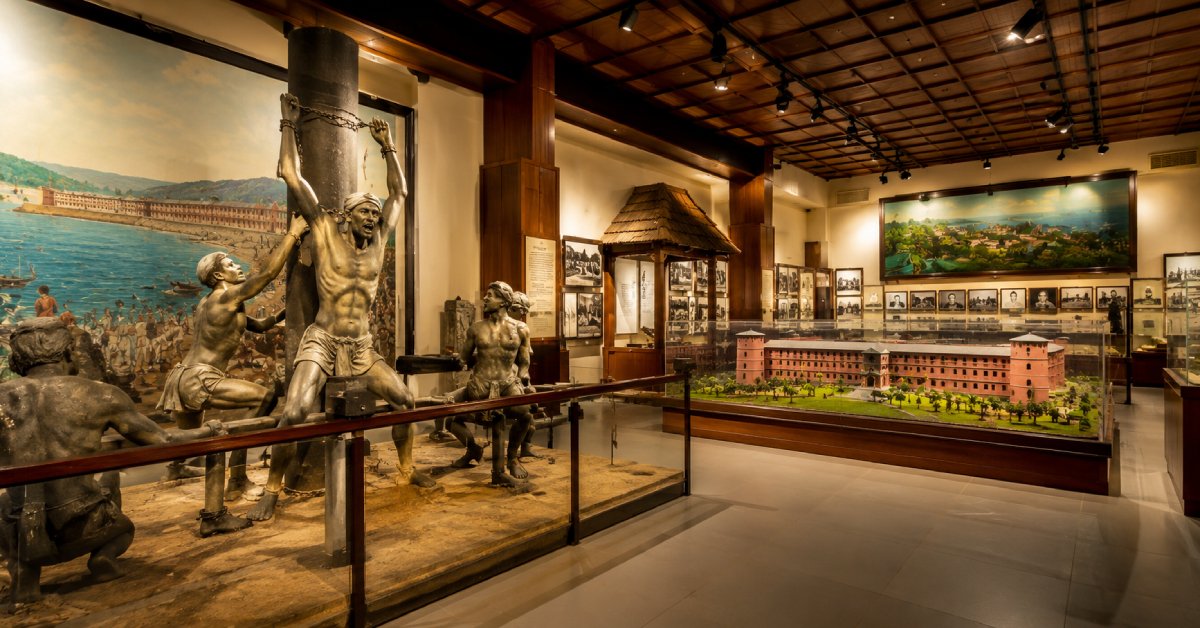
Arguably, the Anthropological Museum’s most absorbing elements are the elaborate dioramas that portray Paleolithic life in a whole new dimension. These features serve as a medium to understand the distant past more vividly:
Life-Size Dioramas
Magnificent, elaborate models made of clay, straw, and other natural matter depict various aspects of tribal life, from hunting practices to family groups.
Housing Styles
Get to know the models of huts that have been reconstructed from the Onge or Great Andamanese tribe, showing not only how they built their shelters but also how they were able to adapt them perfectly to the equatorial climate and forest area.
Cultural Context
The models contain not only the pictorial representation of the hearth, storage areas, and domestic utensils but they also give a synthesis of the community’s daily activities and their independence.
These life-size dioramas make the museum especially engaging for children, which is why it is often highlighted in educational sightseeing itineraries within Andaman family tour packages.
A Lens to the Past: Rare Photographs and Film Screenings
Besides the artifacts, the Anthropological Museum presents a compelling visual and documentary record of the tribes' development and their past.
Archival Photography
The museum features an indispensable collection of rare, historical photos on its walls. These photos depict tribal ceremonies, traditions, and, in most cases, early, supervised interactions with the outside world, thus providing a necessary visual timeline.
Documentaries and Films
Please see the establishment for the schedule of viewing times. Now and then, the museum shows quick movies or docs on tribal lifestyles, tongues, or traditions - offering a lively mix of sound and sight you won’t get from still exhibits alone.
Anthropological Research
This place belongs to the Anthropological Survey of India, just so you know. It’s about studying people, not just displaying their things. So think of it more like a living record than a typical exhibit space. Because accuracy matters here, every detail gets handled carefully.
Visitor Information for Anthropological Museum: Timing, Tickets, and Tips
You must definitely plan your visit to the Anthropological Museum well in advance if you do not want to be disappointed.
Location
Port Blair is the place where the museum is located, and it is highly likely that you will find it near Phoenix Bay or Aberdeen Bazaar.
Moreover, the local transportation can get you there without any problems.
Timings
As a rule, the museum is open from 9:00 AM to 4:30 PM (with a lunch break). It is closed on public holidays, as well as all day on MONDAYS.
Duration
If you want to have a detailed and relaxed tour, then you should definitely spend 1 to 2 hours there.
Entry Fee
The price is very low, for example, it is usually around ?20 for Indian adults (please check the rates when you get there). If you carry a camera, you will have to pay a nominal fee of about ?20.
Pro Tip
If you visit the next Souvenir Shop, then you will be able to get books, academic journals, and handicrafts inspired by the tribal concepts. Such products are a way to facilitate the institution’s research and preservation of the culture.
Couples traveling under customized Andaman Honeymoon Packages often combine a short museum visit with nearby attractions like Corbyn’s Cove Beach or a sunset cruise, creating a balance of culture and romance.
Frequently Asked Questions (FAQs)
Q1. Which museum is good in Port Blair?
The Anthropological Museum is worth checking out if you’re into tribal heritage; meanwhile, the Samudrika Naval Marine spot dives deep into ocean creatures, quite a contrast. On top of that, don’t skip the Cellular Jail National Memorial when you're up for some real stories from the past.
Q2. Where is the Anthropology Museum in Port Blair located?
You’ll find it right in Phoenix Bay, close to Aberdeen Bazaar or just off MG Road.
Q3. What can you see in the Anthropological Museum?
You’ll spot old tools, handmade weapons, tribal jewellery also realistic scenes showing daily life from six native groups across the Andaman and Nicobar Islands.
Q4. How much is the entry fee for the Anthropology Museum in Port Blair?
The entrance cost at Port Blair’s Anthropology Museum doesn’t hurt your wallet usually about ?20 per person. Oh, and snapping photos might tack on a small extra charge.
Q5. What are the Anthropological Museum Port Blair timings?
It usually opens at 9 in the morning, shutting down by half past four. You can't go in on Mondays it also stays shut during public holidays.
Conclusion
A visit to the Anthropological Museum opens your eyes on top of that, it adds learning and culture, which mix just right with the islands’ natural landscapes.
It is an opportunity to emotionally withdraw from the tropical sun and link with an ancient, brave human heritage. The history of the six native tribes of the island, which are probably the oldest of the most ancient human communities that the planet can still boast.
Don't just view the Andaman Islands—comprehend them. So, insert the Anthropological Museum in your travel plan with our Andaman family tour packages and then experience the cultural insight
Learn More: How to Plan a Trip