- Suresh Kumar
- 23-04-2026
- 0 Comments
A Complete Guide to Andaman and Nicobar Language for Tourists
Let’s be honest — one of the first things we worry about while traveling to a new place is communication.
“Will people understand me?”
“Do I need to learn a new language?”
These are really the things that come to your mind, and you are not wrong because the most important thing you really have to think about is how will you possibly connect with the people there since one of the most memorable things happens if you just connect with other people.
In this blog we will explore lot of things including Andaman and Nicobar islands language, what is the most spoken language in Andaman and Nicobar islands
And the language of Andaman and Nicobar island in general.
What Is the Language of Andaman and Nicobar Island?
Let’s start simple. The basics you really have to understand what really is the language of Andaman and Nicobar is in order to proceed with how you can adapt with the people living there.
Official and Common Languages
- Hindi (most widely spoken)
- English (widely understood)
For tourists, these two languages are more than enough. I can already hear and sense a sigh from your end.
Why It’s Easy for Tourists
- Most locals understand Hindi
- English is commonly used in hotels, shops, and tourism services
You won’t face major language barriers here. Since Hindi is the official language, it is really so easy for tourist to communicate and actually build real friendly and generous relationship.
Most Spoken Language in Andaman and Nicobar Islands
Now let’s answer the most searched question. As a tourist a lot of people wonder what really is the most versatile language spoken there because of various kinds of reason. In case of emergency too the first person you would really approach is the people living there.
The Most Spoken Language
Hindi is the most spoken language in Andaman and Nicobar islands
Why Hindi Is So Common
- Migration from mainland India
- Government and administrative use
- Common medium of communication
It acts as a link language among different communities.
Diversity of Languages in Andaman
Here’s where it gets interesting. You see, the locals speak a lot of local indian languages. This is actually easier for so many people who are looking for that homely feeling or might not know how to speak the official language properly.
Languages Spoken by Locals
- Bengali
- Tamil
- Telugu
- Malayalam
- Punjabi
The islands are a mix of cultures from across India.
What This Means for Tourists
- You’ll hear multiple languages
- But Hindi connects everyone
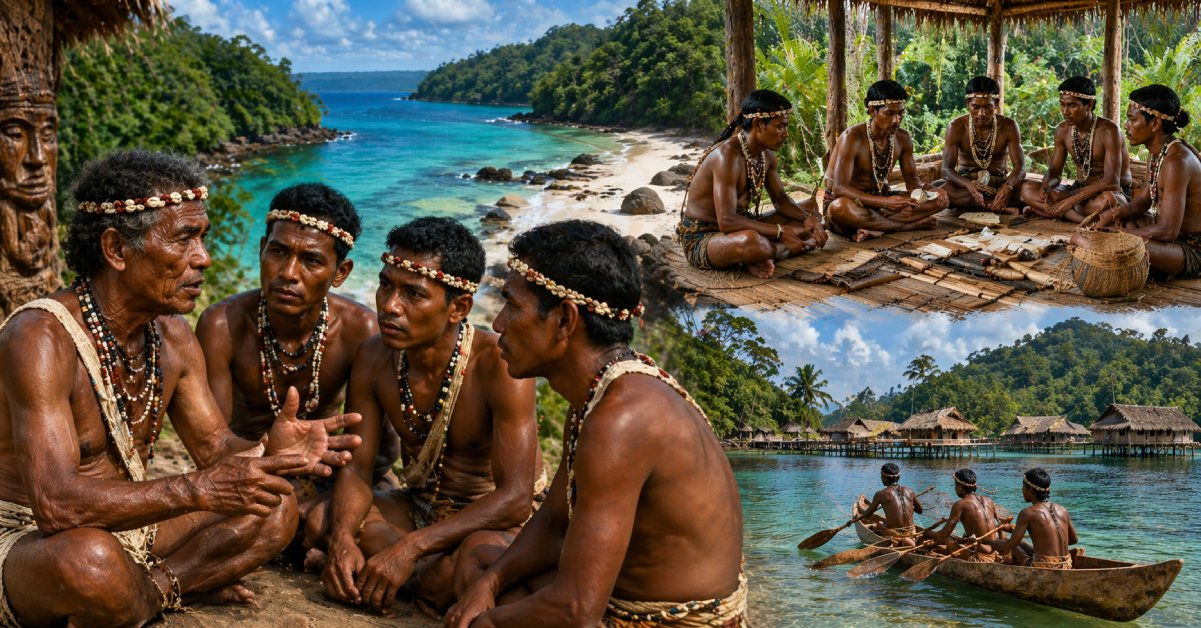
Indigenous Languages of Andaman
Apart from common Indian languages, there are native tribal languages.
Examples
- Great Andamanese languages
- Onge language
- Jarawa language
Important Note
- These are spoken by indigenous tribes
- Tourists do not interact with these communities
Respect local rules and protected areas.
Language in Tourist Areas
If you’re visiting popular places, communication is even easier. You might wonder if different places have different languages that they speak? Well let me give you the most correct answer, Hindi is actually officially spoken everywhere along with various official language.
1. Port Blair
- Hindi and English widely used
- Easy communication everywhere
2. Havelock Island
- English is common in resorts
- Staff trained for tourists
3. Neil Island
- Hindi and English both used
- Friendly local interactions
Tourist areas are very comfortable for communication.
Useful Words for Tourists
You don’t need to learn a new language, but a few words help. If you are a non hindi speaker let me help you with some phrases which might help you in a long run and in day to day aspect like buying some snacks from the local market or even when you want to greet people.
Common Hindi Phrases
- Namaste – Hello
- Dhanyavaad – Thank you
- Kitna hai? – How much?
- Kahan hai? – Where is it?
Simple phrases can make interactions friendlier.
Do You Need to Learn a New Language?
Short answer: No.
Why Not?
- Hindi is widely spoken
- English works in most tourist places
- Locals are helpful
Even first-time travelers feel comfortable.
Tips for Easy Communication
Here are some tips which will help you.
Practical Tips
- Speak slowly and clearly
- Use simple English or Hindi
- Use translation apps if needed
Helpful Situations
- While booking taxis
- Ordering food
- Asking directions
Communication is rarely a problem.
Cultural Etiquette While Communicating
Respect goes a long way.
Things to Keep in Mind
- Be polite and patient
- Respect local customs
- Avoid loud or rude behavior
A friendly attitude makes everything easier.
Common Misconceptions About Language
Here are some myths.
Myth 1: English is not understood
Reality: It is widely understood in tourist areas.
Myth 2: You need to learn local language
Reality: Hindi and English are enough.
Myth 3: Communication is difficult
Reality: It’s actually very easy.
FAQs
1. What is the language of Andaman and Nicobar Island?
Hindi and English are the most commonly used languages.
2. What is the most spoken language in Andaman and Nicobar Islands?
Hindi is the most widely spoken language.
3. Can tourists communicate easily in Andaman?
Yes, communication is easy using Hindi or English.
4. Are there local languages in Andaman?
Yes, several tribal and regional languages are spoken.
5. Do I need to learn a new language before visiting Andaman?
No, basic Hindi or English is enough.
Conclusion
You know a language knowledge in the place you are going is really very important. It is because of all the good reasons. Connecting with people and eating good food is really very necessary especially when you are travelling with your loved ones just to make memories is the best thing ever.
Okay, so picture this that you and your loved ones went to Andaman and just by connecting with strangers you just made your trip memorable, you got to know about so many things including their passions and just by connecting, you got a friend and reconnected with the person. Sounds pretty cool right? I’m sure that this blog will help you a lot if you are that explore mentality type of person.